|
Beta
8
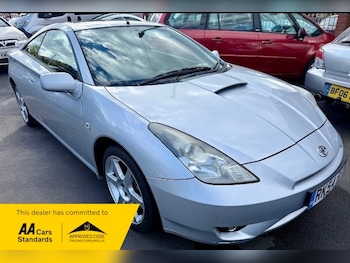
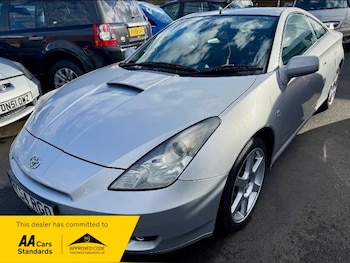
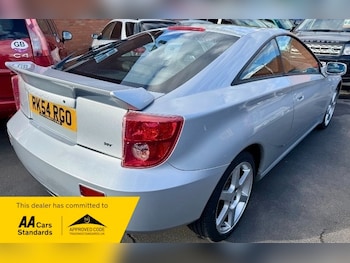
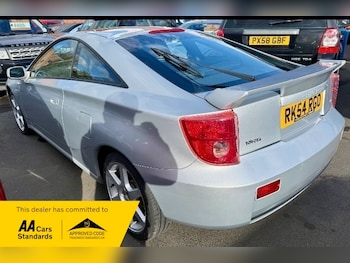
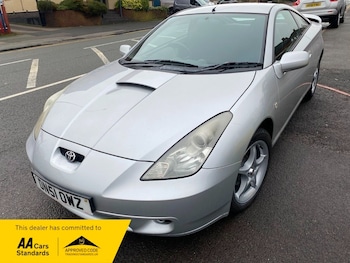
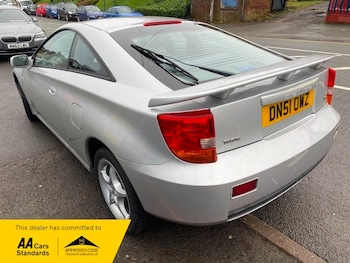
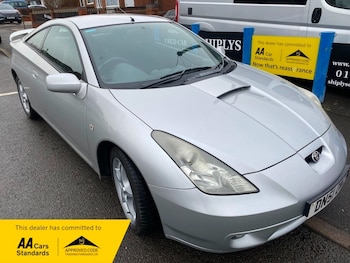
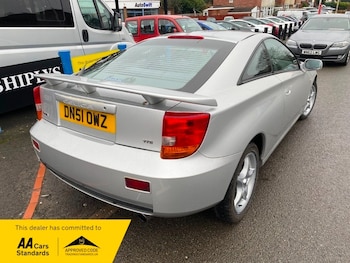
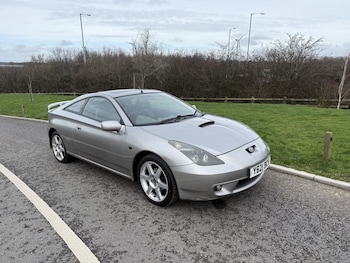
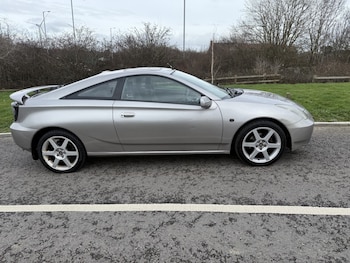
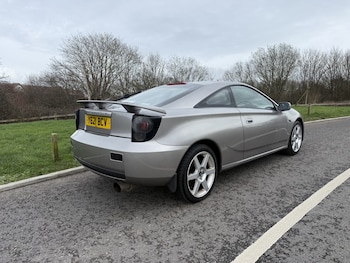
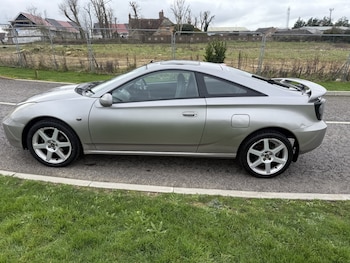
Toyota Celica
2001 1.8 190 3Door
Are these results helpful?
Help us improve
Toyota Celica
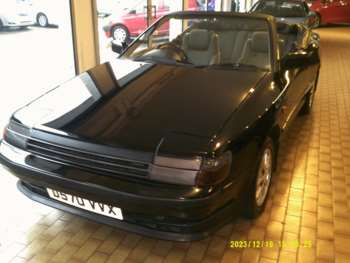
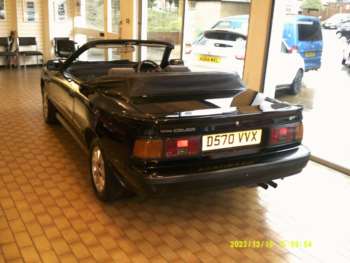
1987 (D) GT Liftback 3dr
UK CAR
Finding a car that brings a genuine smile to your face without draining your bank account can feel like a tall order. We completely understand the frustration of endlessly scrolling through car listings, hoping to find that perfect mix of sporty flair and everyday reliability.
If you are on the hunt for a car with a legendary motorsport heritage, sleek looks, and trusted Japanese engineering, you might just find your perfect match in a Used Toyota Celica.
This iconic vehicle has captured the hearts of driving enthusiasts for decades. Whether you are seeking a fun weekend cruiser or a reliable daily driver with character, this guide will walk you through everything you need to know to make an informed decision. Let's explore the magic of this classic coupe together.
Absolutely! The Toyota Celica is renowned for combining sporty performance with legendary reliability. For many drivers, it hits the sweet spot between thrilling driving dynamics and practical ownership costs.
Unlike some high-maintenance sports cars, a well-cared-for Celica will start up every morning without a fuss. It offers the sleek aesthetics of used coupes but maintains the affordable running costs associated with typical commuter cars. It truly is a car that lets you have your cake and eat it too.
Introduced in 1970, the Celica was designed to be an affordable, fun-to-drive sports car that could compete on the global stage. Over its impressive 36-year production run, it evolved dramatically.
From its early days as a Mustang-inspired classic to its final form as a sharp, front-wheel-drive sports coupe, the Celica never lost its core identity. It has always been about accessible performance, striking design, and a driver-focused experience that makes every journey feel just a bit more special.
The original Celica turned heads with its "coke-bottle" styling and rear-wheel-drive layout. It was a stylish, affordable alternative to European sports cars and quickly gained a loyal following. Finding one today is a dream for classic car collectors.
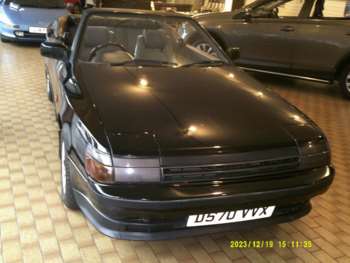
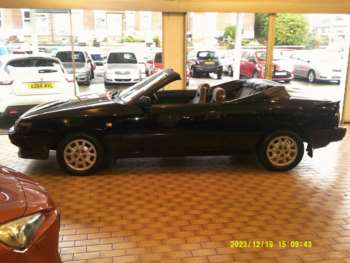
Through the 1980s and 1990s, the Celica embraced pop-up headlights, aerodynamic curves, and cutting-edge technology. The shift from rear-wheel drive to front-wheel drive (and all-wheel drive for rally versions) marked a significant evolution in its engineering.
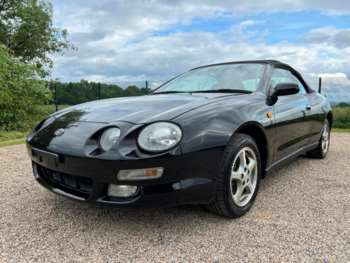
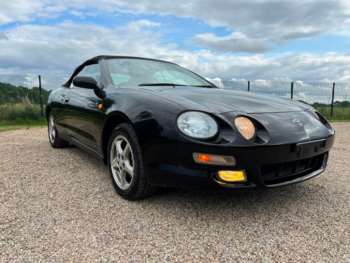
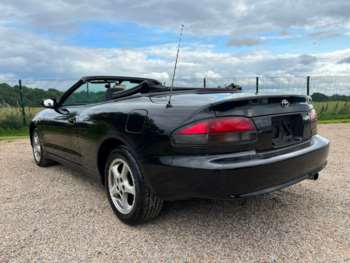
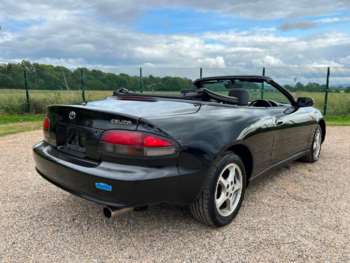
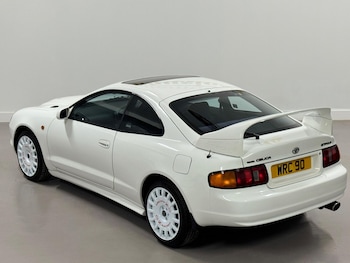
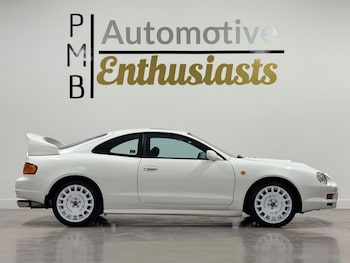
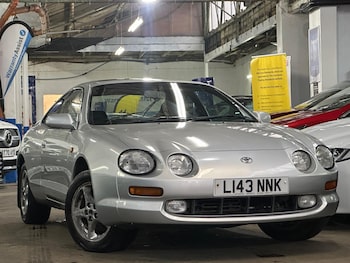
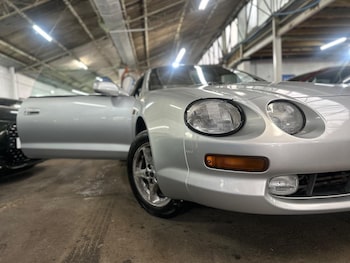
The seventh and final generation brought a sharp, angular design known as the "edge styling." Co-developed with Yamaha, its high-revving engines provided an exhilarating drive, making it a highly sought-after model on the used market today.
Throughout its lifespan, the Celica featured an array of robust four-cylinder engines. The final generation offered a zippy 1.8-litre engine available in two power outputs (140bhp and 192bhp).
Whether you opt for a slick manual gearbox or a smooth Toyota Celica auto, you can expect precise handling and a driver-centric cabin. Later models feature modern comforts like air conditioning, alloy wheels, and supportive sports seats.
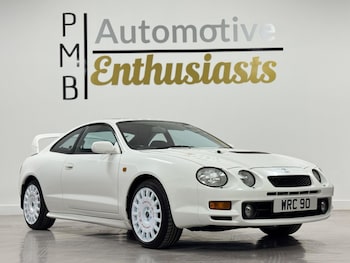
You cannot talk about the Celica without mentioning its incredible rallying pedigree. During the late 1980s and 1990s, Toyota dominated the World Rally Championship (WRC) with heavily modified versions of this brilliant car.
The legendary Toyota Celica gran turismo 4 (GT-Four) was the pinnacle of this era. Featuring an advanced all-wheel-drive system and a turbocharged engine, it secured multiple WRC titles and cemented Toyota's reputation as a motorsport powerhouse.
The Celica launched in 1970 as a rear-wheel-drive sports coupe. A major milestone occurred in 1985 when it transitioned to front-wheel drive. The introduction of the all-wheel-drive GT-Four in the late 1980s brought tremendous rally success, and the striking seventh generation in 1999 marked its final design overhaul before production ended.
The final Toyota Celica rolled off the production line in April 2006. Changing consumer tastes and a shift towards SUVs and practical hatchbacks led Toyota to discontinue the iconic sports coupe after seven successful generations.
The first three generations of the Celica (1970–1985) were rear-wheel drive, offering classic sports car handling. From 1985 onwards, standard models became front-wheel drive, while the high-performance GT-Four variants utilised an all-wheel-drive system.
For the most part, sourcing components for the sixth and seventh-generation models is relatively easy and affordable due to Toyota's shared parts bin. However, finding specific trim pieces or parts for early classic models (1970s and 1980s) can be more challenging and may require joining specialist owner clubs.
Yes, depending on the model you choose. The standard models offer peppy, engaging performance perfectly suited for daily driving. If you desire serious speed, the top-spec 190 T-Sport (seventh generation) or the turbocharged GT-Four models deliver thrilling, rapid acceleration that can rival much more expensive sports cars.